Classic French Madeleines with Brown Butter and Lemon
Breakfast · Gifts from the Kitchen · Vegetarian · Nut-Free · Time: 12 hr 45 min · Servings: 12 · Difficulty: Easy
Light, lemon scented madeleines with a delicate crumb and signature hump, just like the ones in Paris
There is something quietly magical about madeleines. They are simple, delicate, and unassuming, yet when you bite into one that has been freshly baked, there is something incredibly special about it.
I first had a truly memorable madeleine in Paris. It was served warm, with lightly crisp golden edges that gave way to a soft, tender, citrus scented centre. There was nothing elaborate about it, just a small shell shaped cake made with simple ingredients, but I remember how perfect it tasted. It was one of those little moments that stays with you and reminds you that sometimes the simplest things can bring the most pleasure.
That memory is what inspired this recipe. I wanted to recreate that same feeling at home, with madeleines that are light and buttery, gently scented with fresh lemon, and have that beautiful golden edge and characteristic hump.
For this version, I use beurre noisette, or brown butter, which gives the madeleines a subtle nutty depth without overpowering their delicate flavour. The batter is then rested overnight in the refrigerator. This extra time allows the flour to hydrate and the flavours to develop, while the chilled batter meeting a hot oven helps create that lovely rise in the centre.
If you are putting together a dessert table or planning a gathering, these madeleines are a lovely addition alongside a few other homemade favourites. For something rich and indulgent, my Belgian Chocolate Cake with Chocolate Ganache Frosting makes a beautiful centrepiece, while my Crostata di Frutta with Vanilla Crema adds something lighter and beautifully fresh, with seasonal fruit and a creamy vanilla filling. For something smooth, rich and caramelised, my Burnt Basque Cheesecake is another favourite. Together, they make a dessert table with a lovely mix of textures, flavours and something for everyone.
They may be small, but these classic French madeleines are the kind of homemade treat that can turn an ordinary afternoon into something a little more special.
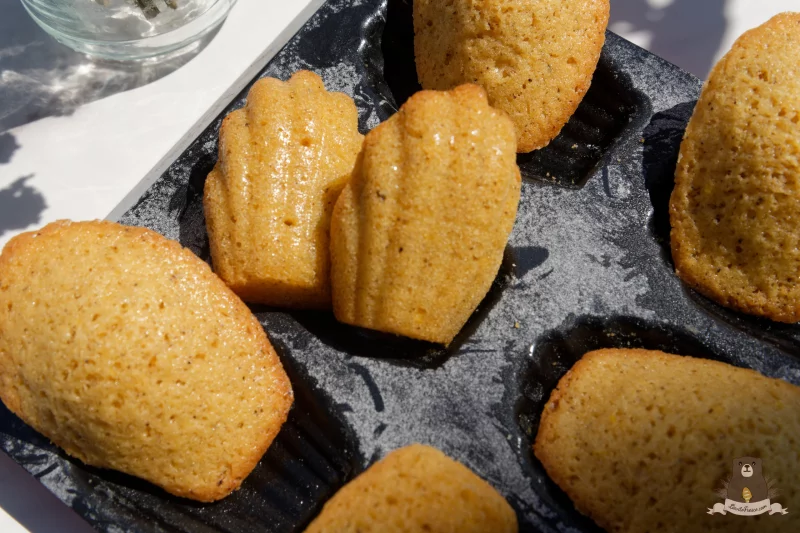
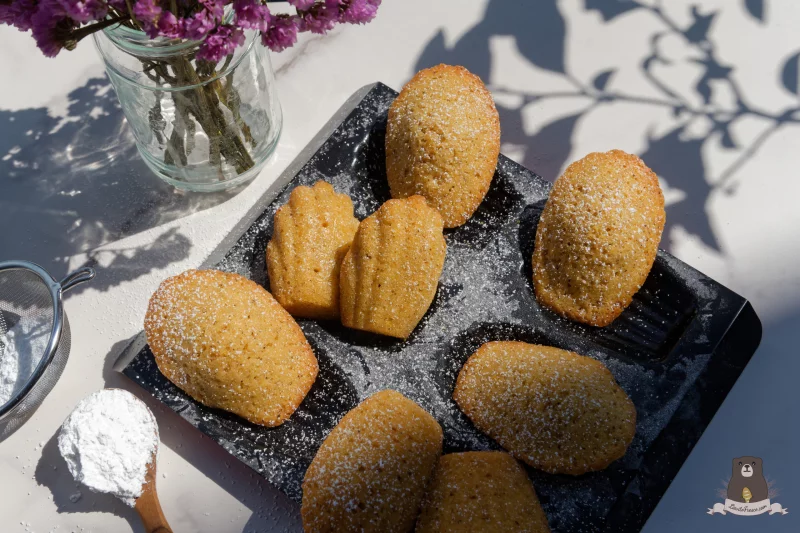
What Are Madeleines?
Madeleines are small French cakes traditionally baked in a distinctive shell shaped mould. They have a delicate texture that sits somewhere between a light sponge cake and a buttery pastry, with lightly crisp golden edges and a soft, tender centre.
They are often flavoured simply with lemon zest, vanilla, or butter, allowing the delicate flavour of the cake to shine. One of the most recognisable features of a classic madeleine is the rounded hump that forms on the back as it bakes.
For me, part of the charm of madeleines is their simplicity. They do not need elaborate decoration or complicated fillings. A little powdered sugar and a cup of coffee or tea are really all they need. When served warm from the oven, their buttery aroma and delicate texture make them feel like a little taste of a French pâtisserie at home.
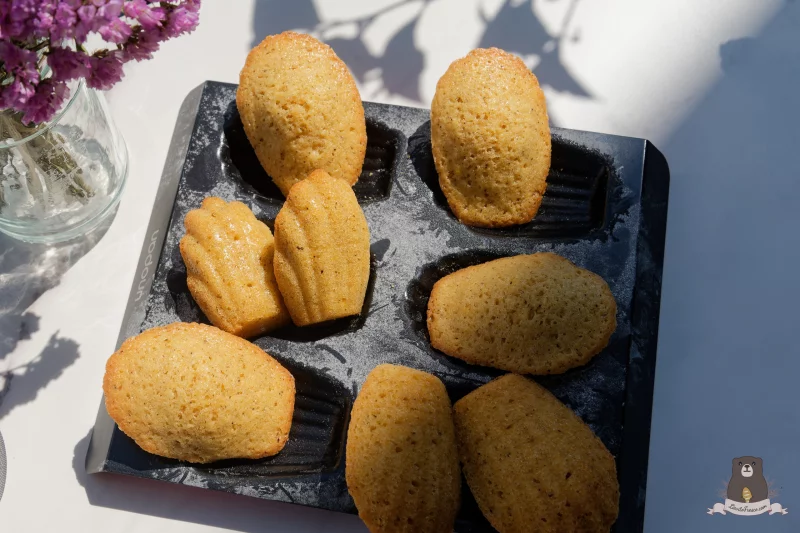
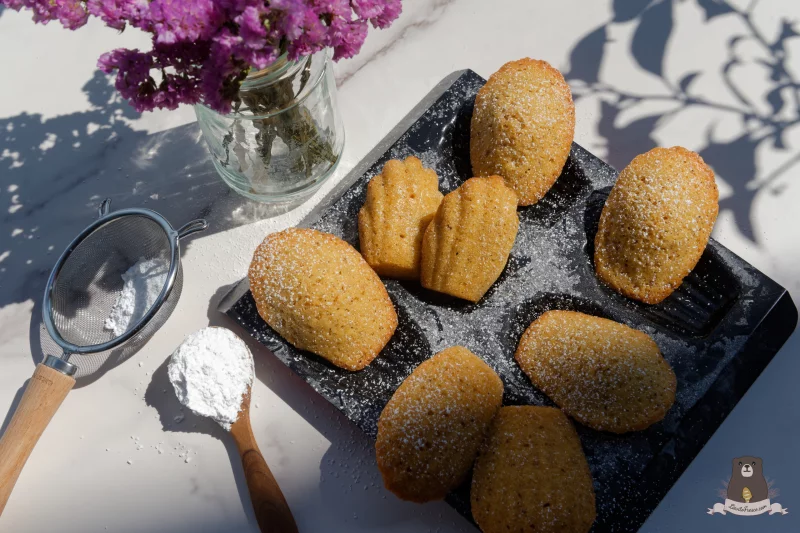
What makes these Madeleines special?
There are many ways to make madeleines, but a few simple details make a noticeable difference in this recipe.
The first is beurre noisette, or brown butter. Gently browning the butter gives it a subtle nutty aroma and a deeper flavour that works beautifully with the fresh lemon zest. It adds richness without taking away from the delicate character of the madeleine.
Fresh lemon zest brings a bright, citrusy fragrance to the batter. I prefer using zest rather than lemon juice because it gives the madeleines plenty of lemon flavour while keeping the crumb soft and tender.
The other important detail is resting the batter. While it may be tempting to bake the madeleines straight away, giving the batter time to rest in the refrigerator allows the flour to hydrate and the flavours to develop. I particularly like resting it overnight because it also means the batter is thoroughly chilled before it goes into the oven.
Finally, the combination of a cold batter and a properly heated oven helps create the beautiful hump that makes a madeleine instantly recognisable.
The result is a light and buttery French madeleine with crisp golden edges, a tender centre, a gentle lemon fragrance, and plenty of character despite its small size.
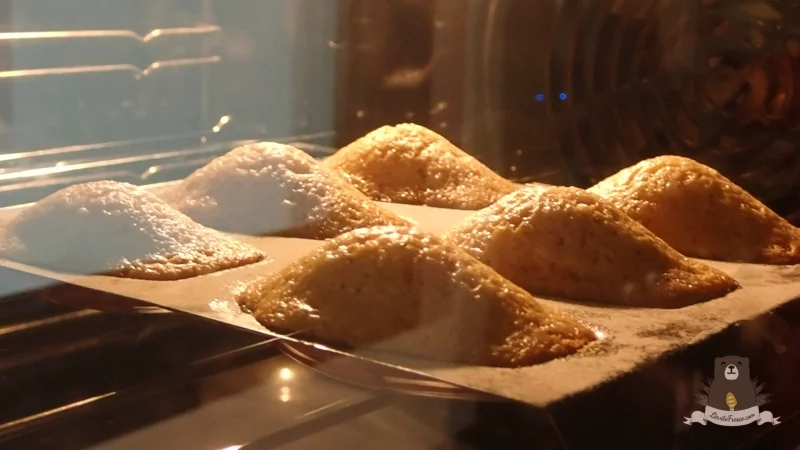
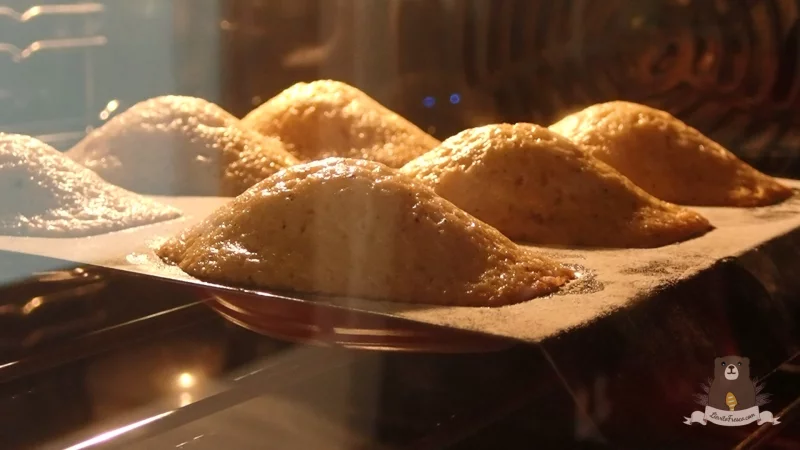
How to get the signature Madeleine Hump
The little hump on the back of a madeleine is one of the features that makes these French cakes so charming. It can also be one of the trickiest things to achieve when making them for the first time.
The secret is mainly about temperature and timing.
Start with a well chilled batter. Resting the batter in the refrigerator gives it time to hydrate and means it is cold when it goes into the oven. When that cold batter meets a properly preheated oven, the sudden change in temperature encourages it to rise quickly in the centre.
Make sure your oven is fully preheated before baking. The initial high temperature gives the madeleines the burst of heat they need to develop their characteristic hump. After the first few minutes, lowering the temperature allows the cakes to continue baking gently without becoming too dark around the edges.
It is also important not to overfill the moulds. Filling each cavity evenly gives the batter enough room to rise without spilling over the sides.
Finally, resist the temptation to open the oven during the initial rise. Keeping the oven door closed helps maintain a steady temperature and gives the madeleines the best chance of developing that beautiful rounded shape.
If your first batch does not have a dramatic hump, do not worry. Madeleines are quite forgiving, and small differences in oven temperature, mould material, and chilling time can all affect how much they rise.
Tips for Perfect Madeleines
- Use good quality butter. Since butter is one of the main flavours in madeleines, a good unsalted butter makes a noticeable difference, especially when browned.
- Watch the butter carefully while browning. The milk solids can go from beautifully golden to burnt quite quickly. Remove the pan from the heat as soon as the butter smells nutty and the solids are golden brown.
- Let the brown butter cool slightly. It should be warm rather than piping hot when added to the batter. This helps keep the mixture smooth and prevents the heat from affecting the eggs.
- Use fresh lemon zest. Finely grate only the yellow outer layer of the lemon. The white pith underneath can add an unpleasant bitterness.
- Do not skip the resting time. Even a one hour rest is helpful, but I prefer resting the batter overnight for the best texture and rise.
- Chill the batter well. The contrast between cold batter and a hot oven is important for developing the signature madeleine hump.
- Grease the mould thoroughly. Make sure the butter reaches into all the shell shaped grooves before lightly dusting the mould with flour.
- Do not overmix. Once the flour has been added, gently fold the batter until everything is just combined. Overmixing can make the madeleines heavier than they should be.
- Fill the moulds evenly. A piping bag makes this much easier and helps you achieve madeleines that bake at the same rate.
- Enjoy them fresh. Madeleines are at their best when freshly baked, especially while the edges are still lightly crisp and the centres are soft and tender.
Frequently Asked Questions
- Why do madeleines have a hump?
The characteristic madeleine hump comes from the combination of chilled batter and a hot oven. The cold batter experiences a sudden burst of heat when it enters the oven, which encourages the centre to rise quickly. Resting the batter before baking also helps create the right texture and structure. -
How long should madeleine batter rest?
The batter should rest in the refrigerator for at least one hour, but you can leave it overnight. I prefer an overnight rest because it gives the ingredients more time to hydrate and allows the batter to become thoroughly chilled before baking. -
Can I make madeleine batter the day before?
Yes. Madeleines are particularly convenient to prepare this way. Make the batter the evening before, cover it well, and keep it refrigerated overnight. The following day, you can simply fill the prepared moulds and bake. -
Why are my madeleines flat?
Flat madeleines can happen for several reasons. The batter may not have been chilled enough, the oven may not have been fully preheated, or the batter may have been overmixed. Filling the moulds too generously can also affect how they rise. For the best chance of getting the signature hump, use well chilled batter and a properly preheated oven. -
Can I use regular melted butter instead of brown butter?
Yes, you can use melted butter, but the flavour will be slightly different. Brown butter gives these madeleines a gentle nutty flavour that pairs particularly well with the fresh lemon zest. If you prefer a more delicate and straightforward butter flavour, regular melted butter will still work. -
How do I store homemade madeleines?
Madeleines are best enjoyed on the day they are baked, when the edges are lightly crisp and the centres are tender. If you have leftovers, allow them to cool completely and store them in an airtight container at room temperature. -
Can I freeze madeleines?
Yes. Once completely cooled, place the madeleines in an airtight freezer safe container or bag and freeze them. Allow them to thaw at room temperature before serving. You can warm them gently before serving to bring back some of their freshly baked texture. -
What is the best way to serve madeleines?
Madeleines are wonderful served slightly warm with coffee, tea or espresso. A light dusting of powdered sugar is all they really need. They are also lovely for afternoon tea, brunch, or as a small homemade gift.
Ingredients
- 95 g All Purpose Flour
- 4 g Baking Powder
- a pinch Fine Sea Salt
- 90 g Caster Sugar
- 2 large Eggs
- 1 tsp Brown Sugar
- 1 zest Whole Lemon
- 85 g Unsalted Butter, (Beurre Noisette)
For Dusting
- 10 g Powdered Sugar
Directions
- Make the Beurre Noisette Melt the butter in a small saucepan over medium heat. Let it cook until it turns golden and smells nutty, about 5 to 7 minutes. Remove from heat and allow it to cool.
- Prepare the Dry Ingredients In a small bowl, sift together the flour, baking powder, and salt. Set aside.
- Whisk Eggs and Sugar In a medium bowl, whisk the eggs, granulated sugar, brown sugar, and lemon zest for 2 to 3 minutes, until pale and slightly thickened. A hand mixer can help achieve a lighter texture.
- Combine the Batter and the Brown Butter Gently fold the dry ingredients into the egg mixture until just combined. Avoid overmixing to keep the batter light and tender. Slowly pour in the cooled beurre noisette, folding gently with a spatula until fully incorporated.
- Rest the Batter Cover the bowl with cling film, pressing it directly onto the surface of the batter, then cover the bowl again. Refrigerate for at least 1 hour, preferably overnight for best results.
- Prepare the Moulds Preheat the oven to 200°C. Brush the madeleine moulds generously with melted butter, making sure to coat all the grooves. Lightly dust with flour, then tap out any excess. This helps prevent sticking and gives the madeleines their clean, defined shape.
- Fill the Moulds Gently loosen the chilled batter. Transfer to a piping bag and fill each mould about two-thirds full.
- Bake Bake at 200°C for 5 minutes, then lower the temperature to 175°C and continue baking for another 5 minutes, until the madeleines are risen and lightly golden with a signature hump.
- Cool and Serve Remove from the moulds while still warm. Dust lightly with powdered sugar and serve immediately.