Fresh Yeast vs Instant Yeast: What's the Difference and How to Substitute
If you've ever paused mid-recipe, wondering how to swap fresh yeast for instant yeast or vice versa, you're definitely not alone. I've been there too, especially when I first started baking at home. I'd read something like "15g fresh yeast" and stare at the packet of dried granules in my pantry thinking... now what?
Both fresh yeast and instant yeast will make your dough rise, but they aren't quite the same. They behave differently, have different shelf lives, and, in my experience, fresh yeast creates bread with a more delicate, rounded flavour and a wonderful depth that instant yeast simply doesn't quite replicate.
That's why, whenever I can get my hands on fresh yeast, it's always my first choice. The problem is that fresh yeast can be difficult to find, especially outside Europe, and its short shelf life makes it much less convenient than instant yeast.
So while instant yeast is the practical everyday option, I wouldn't say the two are completely interchangeable when it comes to the final result. If fresh yeast is available to you, I think it's worth using.
In this post, I'll walk you through:
- What fresh yeast and instant yeast actually are
- How they work
- Why I prefer fresh yeast for flavour
- When to use each one
- How to easily substitute between them
Whether you're following a cherished Italian recipe that calls for a cube of lievito fresco, or you simply want to understand why some breads taste noticeably better when made with fresh yeast, I hope this guide gives you a little more confidence and curiosity in your baking journey.
Why This Topic Is Close to My Heart
Fresh yeast has always felt a little special to me, not because it's better, but because it's much harder to find where I live. The only times I've managed to get my hands on it were through a specialty grocer that also operates as a butchery, and an online Italian store, both offering air-flown cubes with a short shelf life and a slightly higher price. That's why instant yeast has become my everyday go-to. It's practical, reliable, and always ready when inspiration strikes. But lievito fresco will always hold a special place in my heart.
In 2021, I celebrated Christmas in Italy for the very first time, meeting my then-boyfriend, now husband, and spending the holidays with his family. Like many travellers, we picked up a few souvenirs before heading home. Among them was a small cube of lievito fresco, something I was curious to try but hadn't used before. But just before our flight, everything changed. We tested positive for COVID-19 and had to quarantine for two more weeks.
Once we recovered, we wanted to show our gratitude to his family for taking such good care of us while we were ill, so we decided to make homemade pizza using that cube of lievito fresco we had originally bought as a souvenir. Of all the times I've baked, this one is truly for the books. There was something special about making everything by hand, in a place where food always finds a way to bring people together. What started as just pizza became a moment of comfort during an unexpected stay, proof that flour, water, and fresh yeast can do more than make dough rise.
That's why Lievito Fresco means so much to me. It's the name we gave this blog, a reminder that even when things don't go as planned, you can still make something meaningful and find a little joy in the process.
What Is Fresh Yeast?
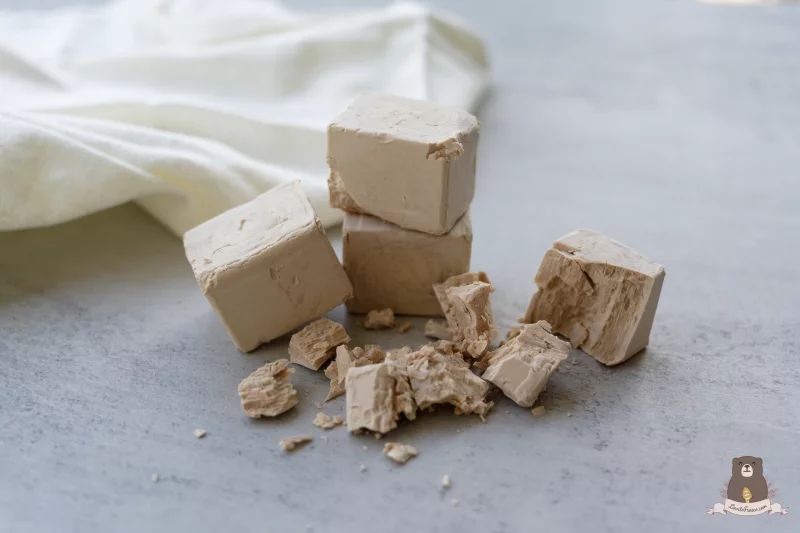
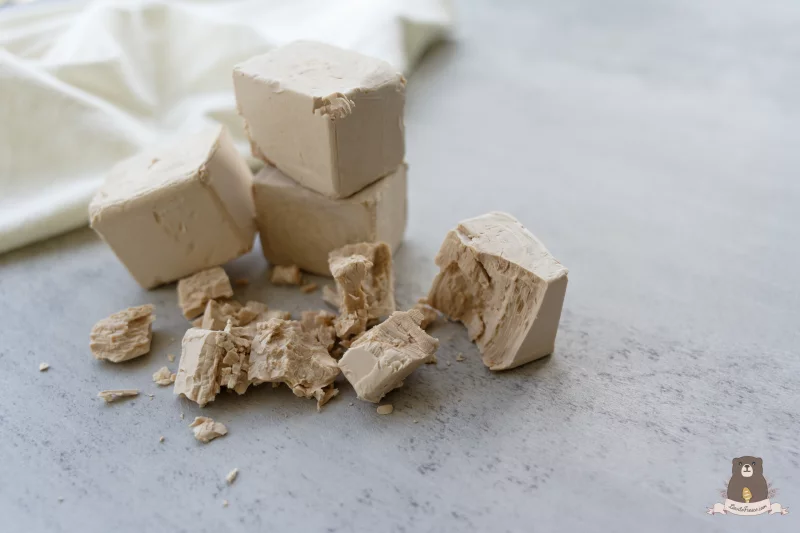
Fresh yeast, also known as cake yeast or compressed yeast, is a soft, crumbly block of living yeast cells. Pale beige in colour, it has a delicate, slightly sweet, bready aroma.
You'll often find it in traditional European baking, especially Italian recipes, where it has been used for generations.
Fresh yeast is loved for its lively fermentation and the flavour it can bring to bread. In my experience, dough made with fresh yeast develops a more delicate, rounded flavour with a little more depth and character than dough made with instant yeast.
If you can get your hands on fresh yeast, I genuinely recommend trying it at least once. It may require a little more planning because it needs refrigeration and has a short shelf life, but for me, the flavour is worth the extra effort.
Fresh yeast does require a bit more care. It should be dissolved in lukewarm liquid before use and stored in the refrigerator. Because it's highly perishable, it typically lasts only about two weeks, and sometimes less once opened.
What Is Instant Yeast?
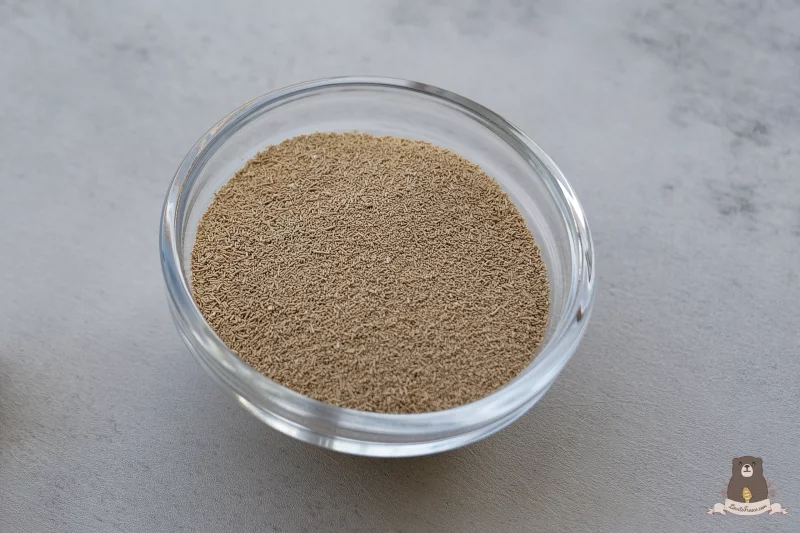
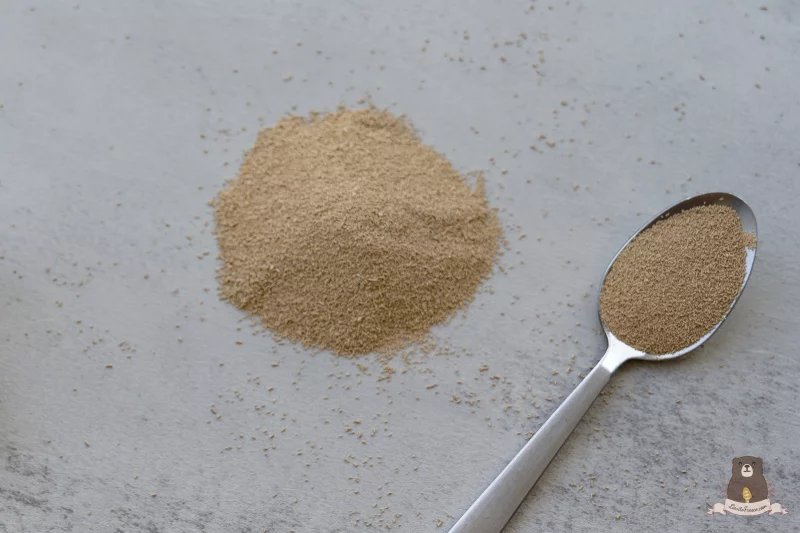
Instant yeast is fresh yeast that has been dried into fine granules designed to activate quickly and efficiently in dough. Unlike fresh yeast, it doesn't require refrigeration and can be stored in your pantry for months before opening.
One of its biggest advantages is convenience. Instant yeast can be mixed directly into flour without needing to be dissolved or bloomed beforehand, making it especially useful for busy home bakers.
For me, instant yeast is that reliable friend in the kitchen, always ready when I am, whether it's for a lazy weekend focaccia or a quick weeknight pizza dough.
How to Substitute Fresh Yeast and Instant Yeast
Most traditional European recipes use fresh yeast, while many home bakers keep instant yeast in their pantry. Fortunately, converting between the two is simple.
If your recipe calls for fresh yeast and you only have instant yeast, divide the amount of fresh yeast by 3.
For example:
- 15g fresh yeast = 5g instant yeast
- 21g fresh yeast = 7g instant yeast
- 30g fresh yeast = 10g instant yeast
If your recipe calls for instant yeast and you'd like to use fresh yeast instead, multiply the amount of instant yeast by 3.
For example:
- 5g instant yeast = 15g fresh yeast
- 7g instant yeast = 21g fresh yeast
- 10g instant yeast = 30g fresh yeast
FAQs
- Can I freeze fresh yeast? Yes, but only if necessary. Wrap it tightly and freeze for up to one month. Thaw it in the refrigerator and use it immediately. In my experience, frozen fresh yeast can lose some of its strength and occasionally develop an off smell.
- Can I use instant yeast instead of fresh yeast in Italian recipes? Absolutely. While many traditional Italian recipes call for fresh yeast (lievito fresco), instant yeast works wonderfully when converted correctly. Most home bakers outside Europe use instant yeast successfully for pizza, focaccia, and enriched doughs.
- Does fresh yeast make bread taste better? In my experience, yes. Fresh yeast gives bread a more delicate, rounded flavour and a little more depth than instant yeast. The difference isn't enormous, and you can absolutely make delicious bread with instant yeast, but I find fresh yeast produces a flavour that is difficult to replicate with dried yeast. If you can find fresh yeast, I recommend trying the same recipe with both types and tasting the difference for yourself. You may find, as I did, that fresh yeast becomes your preferred choice.
- Which yeast is better for beginners? Instant yeast is usually the easiest option for beginners. It's forgiving, easy to store, widely available, and simple to use.
Final Thoughts
Whether you're just starting out or rediscovering the joy of homemade bread, understanding the difference between fresh yeast and instant yeast gives you more flexibility and confidence in the kitchen.
Instant yeast is convenient, reliable, and perfectly capable of making delicious bread. But if you can get your hands on fresh yeast, I really recommend giving it a try. For me, the extra effort is worth it. I love the flavour it brings to bread: delicate, rounded, and just a little more special.
And perhaps that's why lievito fresco means so much to me. Every time I see a little cube of fresh yeast, I'm reminded of those days in Italy, when baking brought comfort, connection, and a little bit of magic to an otherwise uncertain time.
So if you have a choice, go for the fresh yeast. And if you don't, don't worry. Instant yeast will still help you make something wonderful.
Happy baking! 🥖