The Best Souvenirs from Bali—for Your Kitchen
Whenever we travel, I always look forward to bringing home something for our kitchen. Not just any souvenir—but something beautiful, useful, and tied to the place we visited. Over the years, I’ve come to love collecting handmade ceramics—especially ones crafted by local artisans, with glazes and forms that feel unique to that culture.
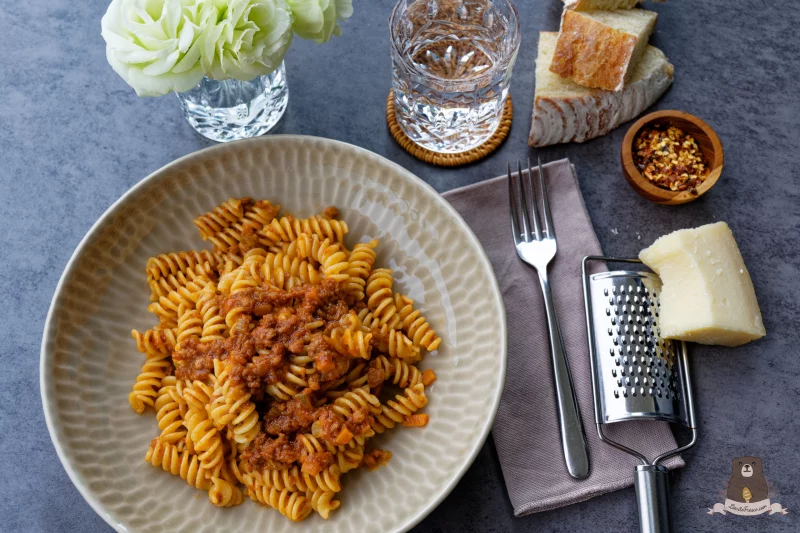
So when we returned to Bali this year, I was on a quiet mission: to find new pieces that I genuinely love. Pieces that don’t just sit on a shelf, but become part of everyday moments—serving breakfast, holding pasta, anchoring the table.
Through a bit of research, I came across several well-known ceramic and pottery shops on the island. I would’ve loved to visit them all, but this trip was a little different. We stayed in Benoa, a peaceful corner of Nusa Dua, and kept our itinerary light—just slow mornings, good food, and small adventures.
Quick tip if you’re planning a trip to Bali—the island is larger than you might expect, and each area has its own unique energy. Kuta and Seminyak are vibrant and buzzy, Canggu is laid-back and stylish, Uluwatu is known for cliffs and surf, and Nusa Dua is relaxed and family-friendly.
There’s also Ubud if you're after culture and wellness, or Sanur for a quieter beach vibe. It’s worth thinking about the kind of holiday you want before deciding where to stay.
Okay, back to ceramics. 😊
Jenggala at Sunset (Outlet Store)
Our first ceramics stop was Jenggala at Sunset, the outlet store of Bali’s most iconic ceramic brand. While staying at Amnaya Resort in Nusa Dua, a staff member mentioned that Jenggala is the most famous ceramic studio in Bali—which made me even more excited that we had already planned to go.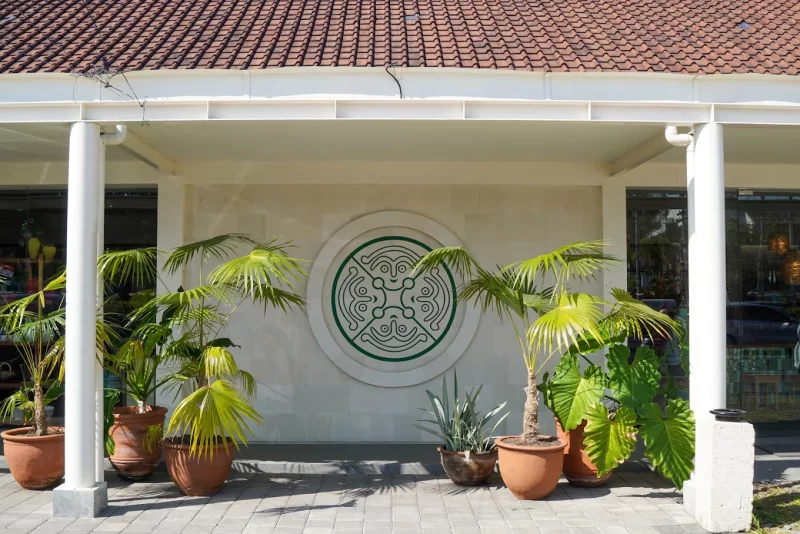
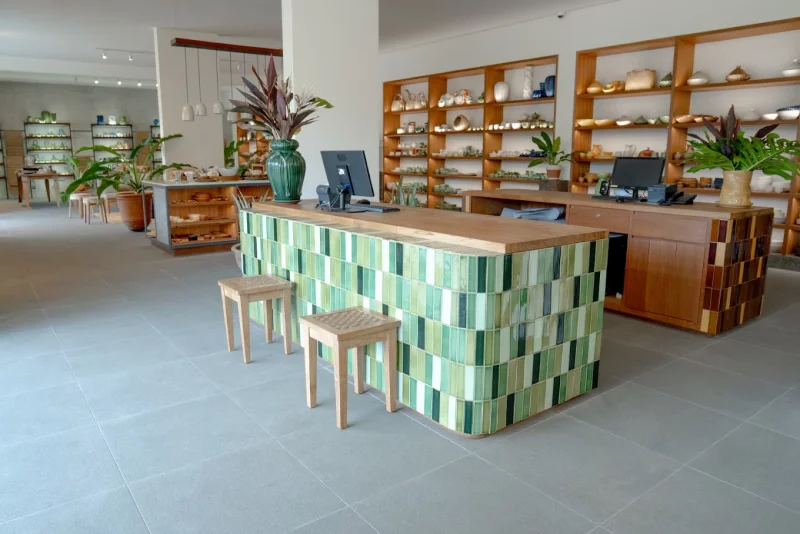
I’m not kidding—I literally had butterflies in my stomach walking into the shop and had to anchor myself with a little self-talk: Only buy what you genuinely love. I was so glad my husband was beside me—doing his best to keep my shopping in check.
As you go into the store, it’s divided into two sections:
– On the left, you’ll find their Grade A pieces—perfect condition and full price.
– On the right, slightly imperfect artisan creations, available at 20–30% off. Honestly, many of the flaws are so minor, you might not even notice them. And if you do, I personally think it adds to the charm—it’s a gentle reminder that nothing in life is perfect, and there’s beauty in imperfection.
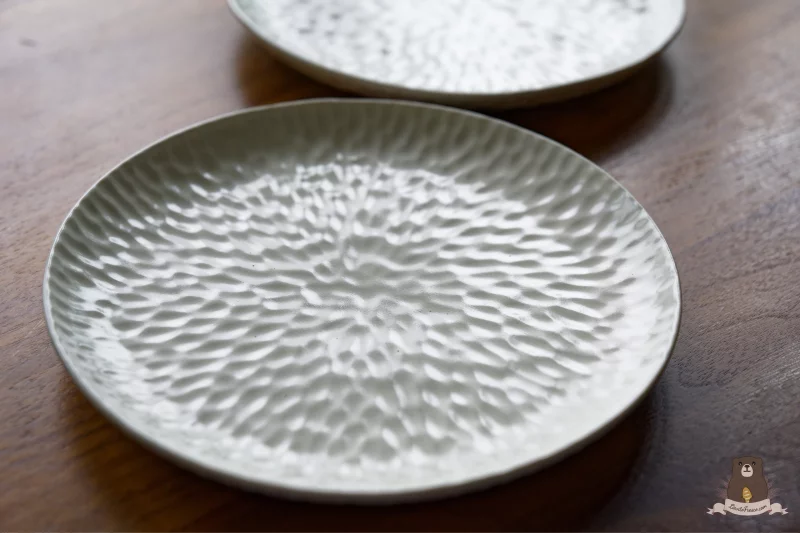
We ended up bringing home two beautiful salad bowls—Grade A pieces from their main collection, with a soft ripple texture that reminds me of seashells. I’m already picturing them filled with pasta or a big tossed salad for lunch at home. They were 250,000 IDR each (about SGD 21).
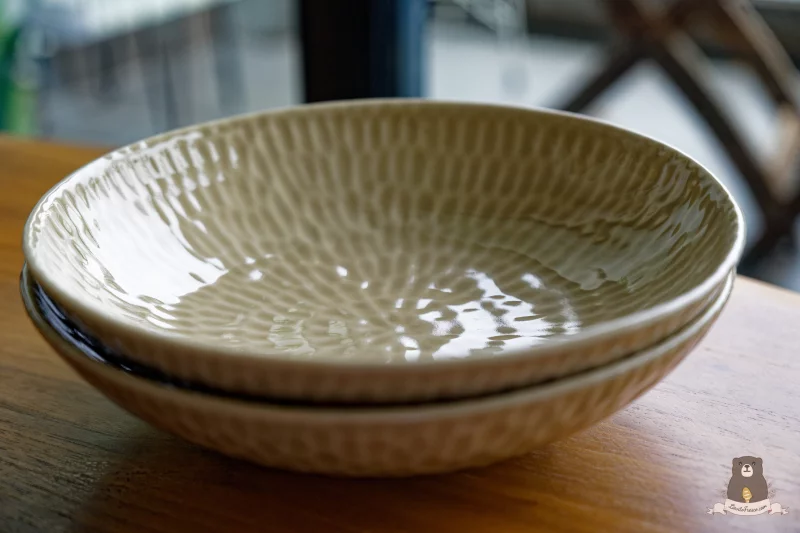
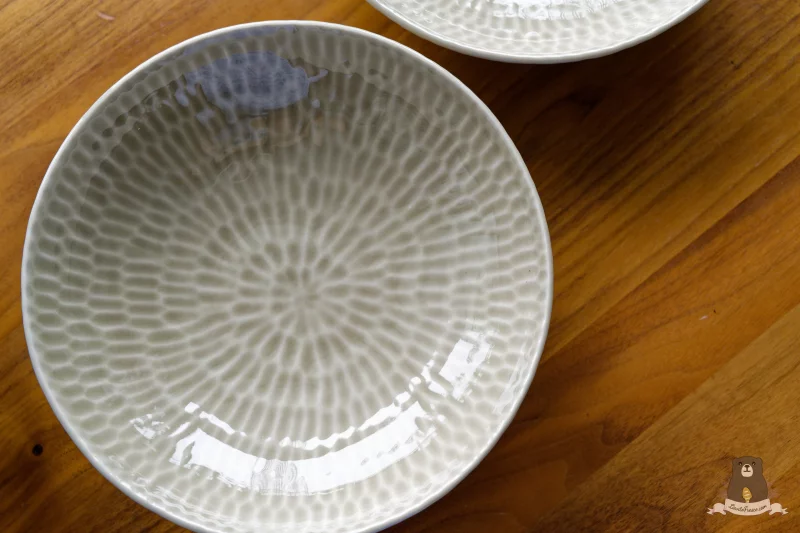
 I also found two mini serving plates in the lightest blue glaze—simple, sweet, and perfect for little sides. The soft color instantly reminded me of the gentle hues of the ocean. They were 150,000 IDR each (around SGD 13), and felt like such a find.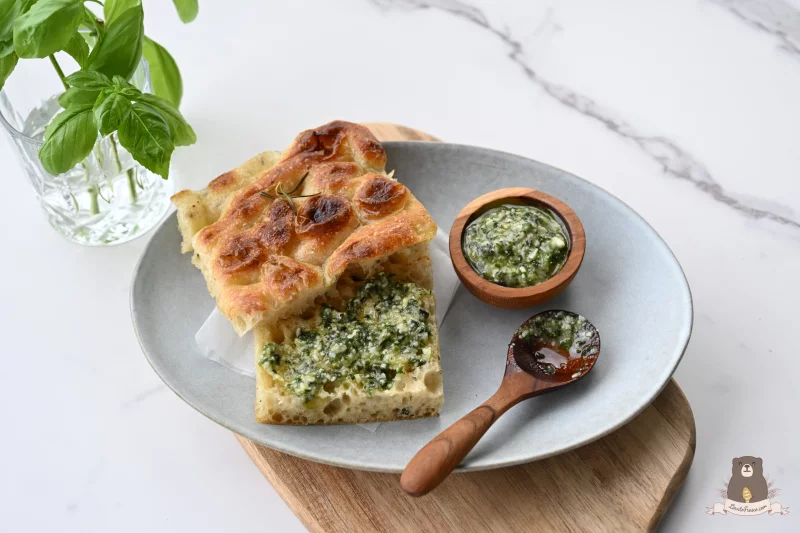
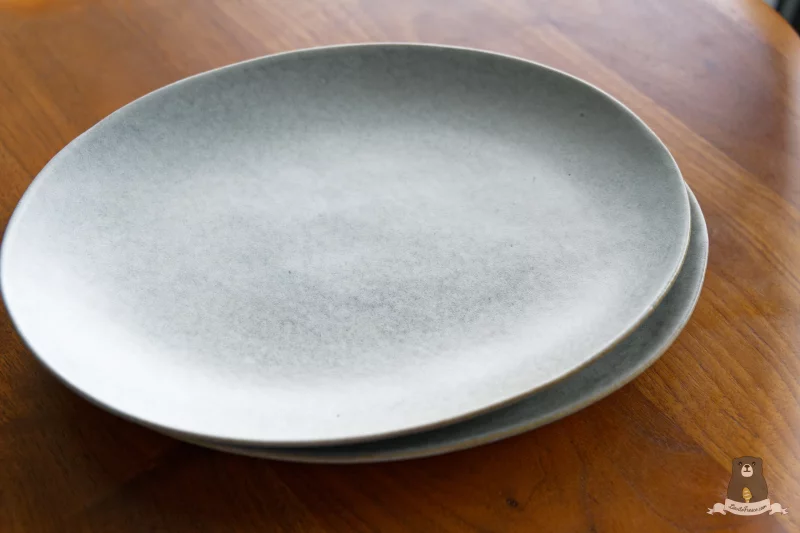
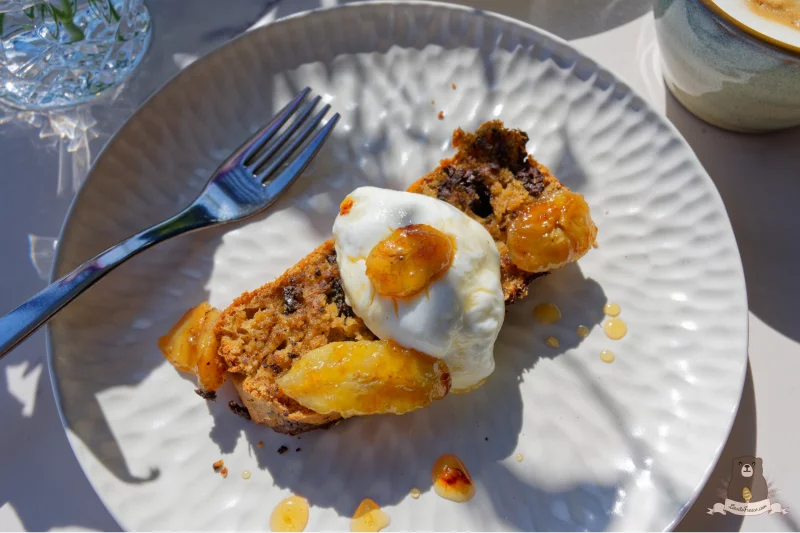
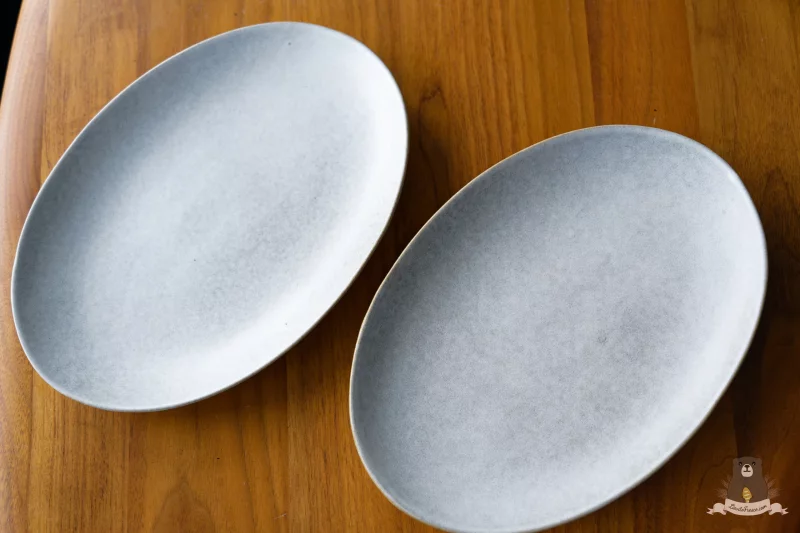 And of course, I couldn’t resist two medium-sized side dish plates in that same soft finish, with a texture that gently reminds me of corals. At 115,000 IDR each (just under SGD 10), they’re just the right size for an appetizer or a slightly larger dessert—the kind of pieces you reach for again and again without thinking, because they just feel right on the table.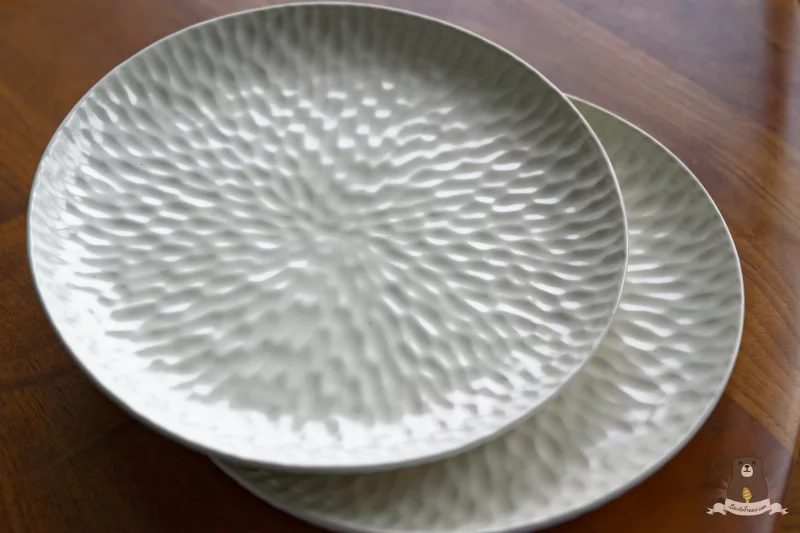
Tanteri Ceramic outlet store
Just a short drive away is Tanteri Ceramic outlet store at Sunset, another ceramics shop—but with a more modern and minimal aesthetic. In my opinion, Tanteri leans towards clean lines and simpler finishes, with fewer textured designs compared to Jenggala, which embraces more organic shapes and tactile glazes. It’s not about one being better than the other—just different moods for different styles.
The store itself is more compact, but I actually found that it offered a wider variety of plates, especially if you're after contemporary shapes. Tanteri uses a lot of warm, earthy tones and matte finishes, which I really loved. I did notice that many of their pieces seemed designed with restaurants in mind—some plates were nearly two kilos and felt impressively hefty! While we were browsing, a few people even came in to ask about wholesale orders for restaurants.
Like most ceramic shops in Bali, there was a large dining table placed right at the center of the store. It’s there for you to lay out your selections and see how everything comes together—and I highly recommend taking advantage of that! I spent a good while thoughtfully arranging different combinations, carefully considering which pieces would complement each other. There were a few beautiful options I admired but ultimately left behind—because when it comes to artisan ceramics, I believe in bringing home only what truly feels right.
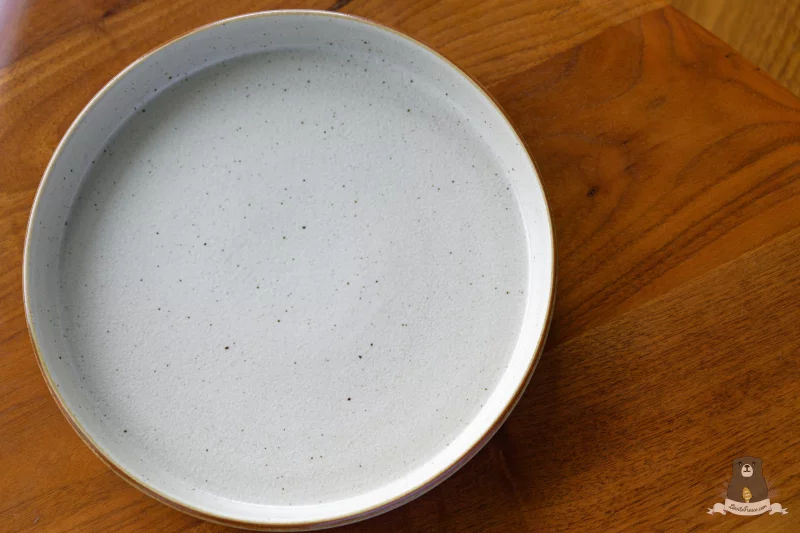
I was specifically hunting for straight-rim plates, and that’s exactly what brought me to Tanteri. I had hoped to buy a set of two, but they only had one left in the style I loved. I couldn’t bring myself to settle for a “second best” design—artisan ceramics are an investment, and I only wanted to bring home pieces I genuinely loved.
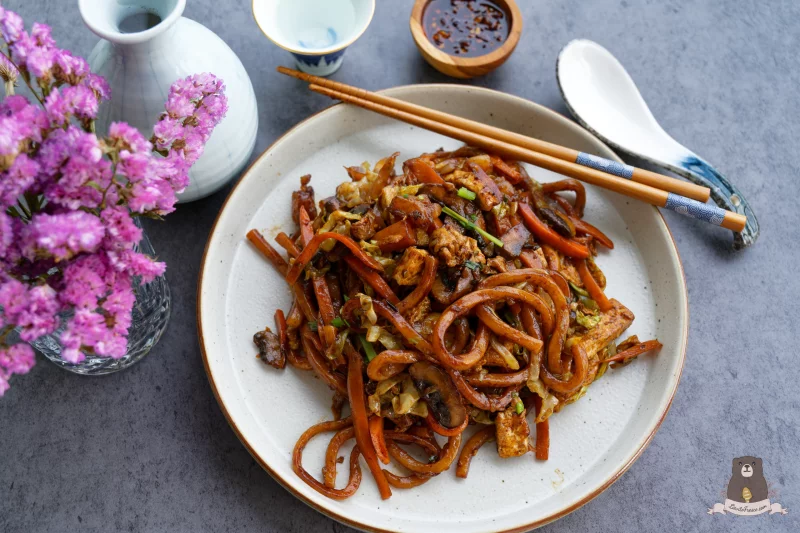
In the end, I chose a modern-looking plate with straight raised edges, finished in a soft matte glaze. It was on the pricier side (S$32.50 / ~IDR 380,000), but I knew I’d regret leaving it behind. Now, it sits in our kitchen—waiting for just the right dish to shine.
Jenggala Flagship Store
Then, on our second-to-last day, we made our way to Uluwatu to visit a little record shop café called Bandidas—but it was, sadly, closed. We ended up having a quiet lunch and coffee nearby, and while booking a Grab to head back to Manarai Beach Club, my husband looked at me and said, “The Jenggala main showroom is on the way... did you want to stop?” I smiled, and so did he—“I’m already regretting suggesting this,” he added with a laugh.
We weren’t planning to visit, but I’m so glad we did.
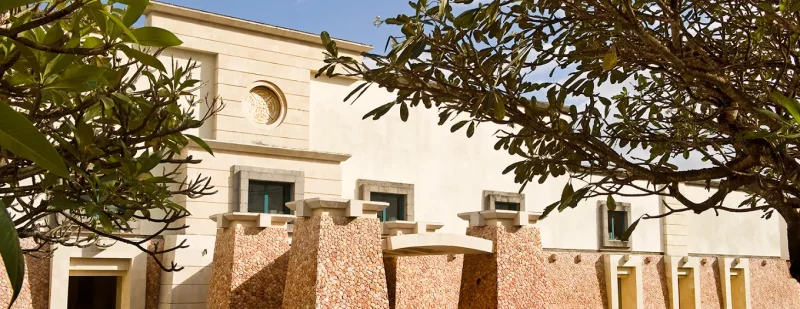
The showroom is spacious and beautifully curated, with a much wider selection than the outlet store. There’s even a small café and a peek into the workshop where the ceramics are crafted, which made the visit feel extra special.
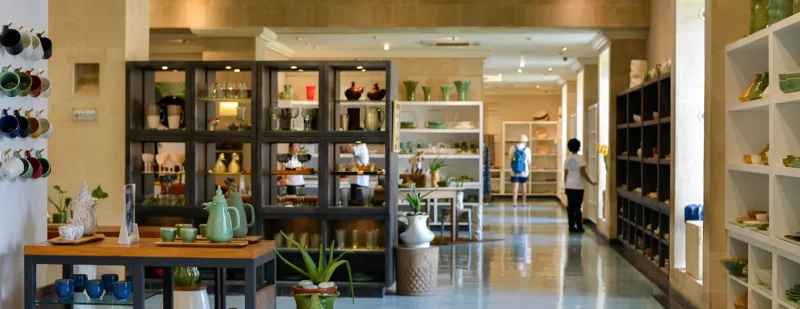
That said, everything in the main showroom is definitely on the premium side—so my honest advice is to take your time before pulling the trigger.
Surprisingly, I actually preferred the layout of the outlet store. It had more natural light, which made it easier to see the true colors and textures of the ceramics. The main showroom, while grand, is warmly lit with yellow lights, which made it a little tricky to judge the actual glazes. I found myself holding the plates I liked near the window just to catch them in natural light—otherwise, everything looked like it had a golden tint.
Still, what stood out most to me here was the lovely staff. I was helped by a sweet woman named Desi from Sanur—kind, patient, and incredibly understanding (especially when I was very vocal about how expensive everything was!). When my husband jokingly asked if there were any discounts, she laughed and said, “Fixed price!”—gracious and playful at the same time. She gave us space to wander, but stayed present in case we had questions. It was the kind of thoughtful service that makes an experience feel beautiful.
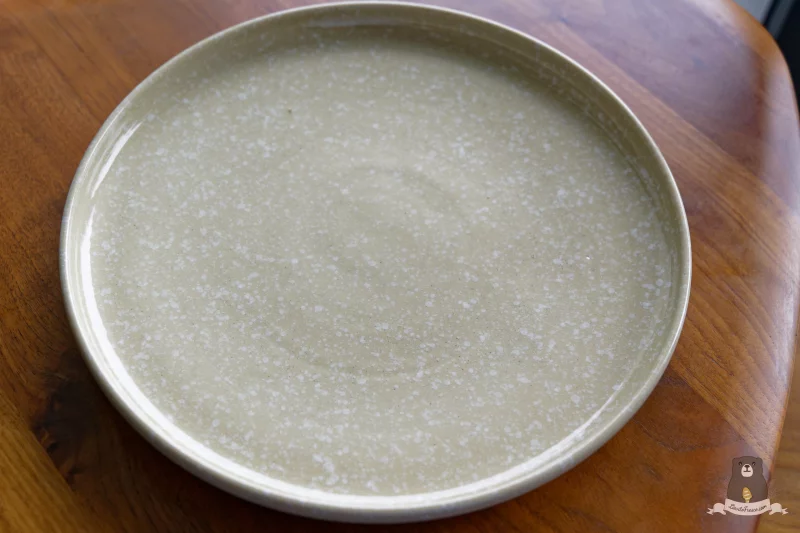
There was one plate I had my eye on—a soft, speckled beauty with a gentle glaze and minimalist shape. I had hoped to bring home two, but as Desi sorted through the remaining stock, we realized it was the very last one left. Somehow, that made it feel even more special. Like it was waiting for me.
So I went for it. The price was IDR 380,000 (about S$32.50), and while that’s not exactly a steal, the weight, finish, and quiet elegance of it made it worth bringing home.
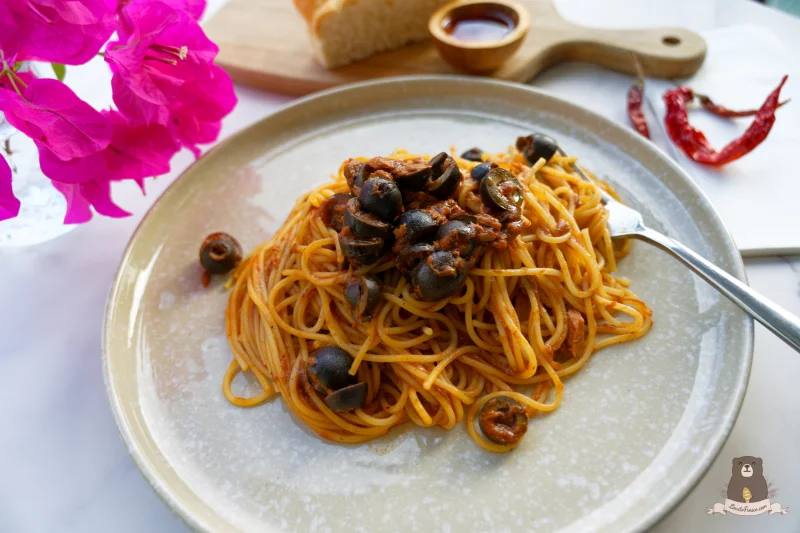
If you’re someone who loves bringing home meaningful souvenirs, I really recommend checking out local ceramics while you’re in Bali. They may cost more than mass-produced pieces, but the quality, the story, and the craftsmanship make them feel like little works of art for your kitchen—pieces you’ll actually use and treasure for years.
I also think they make lovely conversation starters when you’re hosting at home, or simply become quiet reminders of a beautiful trip as you sit down for breakfast, lunch, or dinner. For me, flavours and meals are deeply tied to memory—and tableware plays a part in that too. Just like our lemon and olive plates from Bassano, every time we use them at home, we’re transported back to that winter afternoon, standing on Ponte Vecchio (Ponte degli Alpini), grappa in our hands, wrapped in scarves and smiles, with the town’s quiet charm all around us.
Whether it’s a hand-thrown plate or a tiny wooden bowl, it’s these little finds that carry stories home with us.
Bonus Find: Tiny Wooden Sauce Bowls
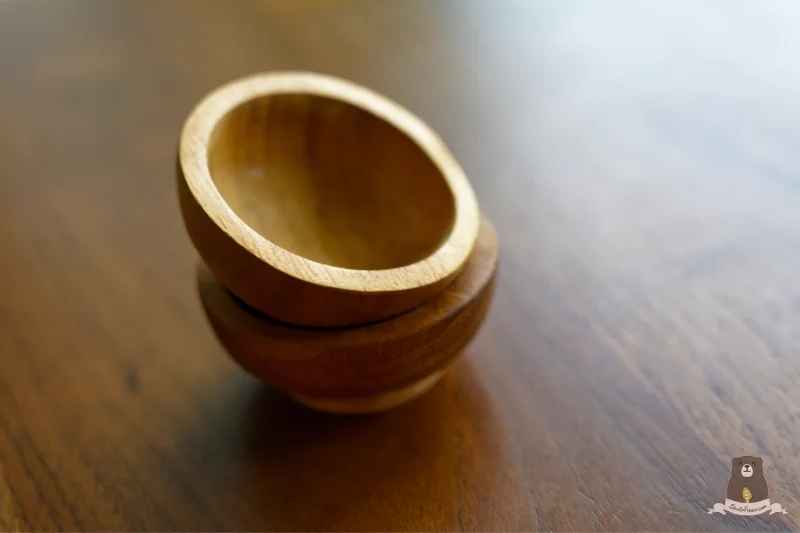
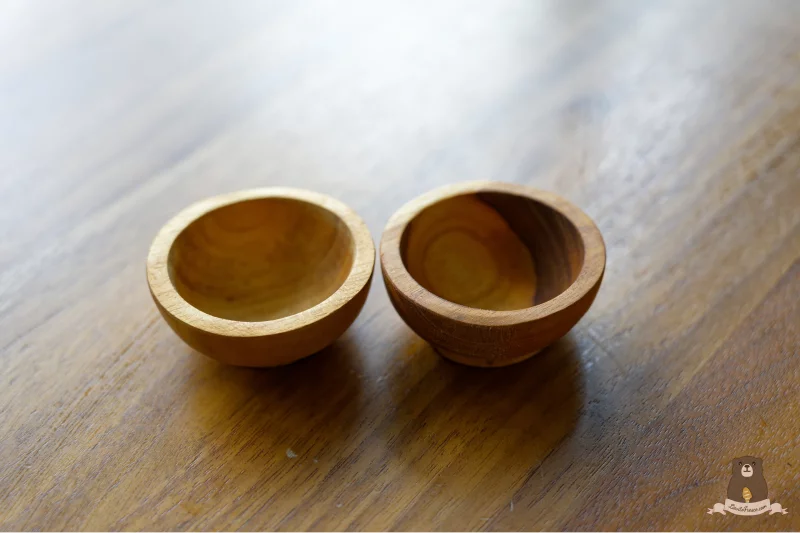
And just when I thought I was done shopping, a bonus find appeared. We were at Manarai Beach Club, lounging by the beach and sharing a plate of fries, when the cutest little wooden sauce bowls were served alongside the condiments. I immediately knew I had to find some to bring home.
I eventually spotted them at a small souvenir shop in Seminyak, about an hour from where we were staying. Don’t worry—we didn’t drive all that way just for the bowls! We had dinner that night at Breeze at The Samaya, a beautiful seaside restaurant, and decided to walk around afterward. That’s when I saw them—just two left, tucked away on a shelf, and with price tags! (Bonus points.)
They were selling for 25k rupiah each—roughly S$1.95—and now they’re happily part of our kitchen, ready for aioli, tomato ketchup, soy sauce, chili oil, and all the little extras.
 If you ask me, it doesn’t matter whether it’s a little splurge or something you stumble on by chance—what matters is how it makes you feel. Every piece we brought home from this trip holds a small story, and that’s what I love most. I hope that when you visit Bali, you’ll find something for your kitchen that brings you just as much joy.