Shokupan (Japanese Milk Bread)
Bread · Gifts from the Kitchen · Vegetarian · Nut-Free · Egg-Free · Time: 3 hr · Servings: 10 · Difficulty: Medium
I still remember the very first bite of shokupan I had in Tokyo. It wasn't from a famous bakery or a trendy café, but from a small shop inside a JR station while travelling between destinations. It was a simple tamago sando (Japanese egg sandwich), yet the bread completely stole the show. It was pillowy soft with a delicate texture unlike any sandwich bread I had tasted before. That humble sandwich became one of my earliest and fondest food memories from Japan.
Years later, I was back in Tokyo for a business trip when a February snowstorm unexpectedly kept me at AEON's head office in Nishi-Shinjuku longer than planned. After our meeting, my clients invited me to wait it out in the employee lounge. Over coffee and conversation, they asked me what my favourite Japanese food was.
Without hesitation, I replied, "Tamago sando."
They laughed, a little surprised by my answer. I explained that it wasn't because I have a particularly simple palate, but because the bread itself is completely addictive. The soft, pillowy shokupan had left such an impression on me that I still remembered that humble sandwich years later.
They nodded in understanding and began sharing why Japanese milk bread is so exceptionally soft and fluffy. Beyond the care and discipline that Japanese bakers bring to their craft, they spoke about techniques such as yudane and tangzhong, methods used to create the tender, cloud-like texture that makes shokupan so memorable.
Ever since then, I've wanted to recreate that same softness at home. While many traditional shokupan recipes include eggs, I've kept this version simpler and more budget-friendly. There are no eggs in the dough, yet it still bakes up wonderfully soft and fluffy.
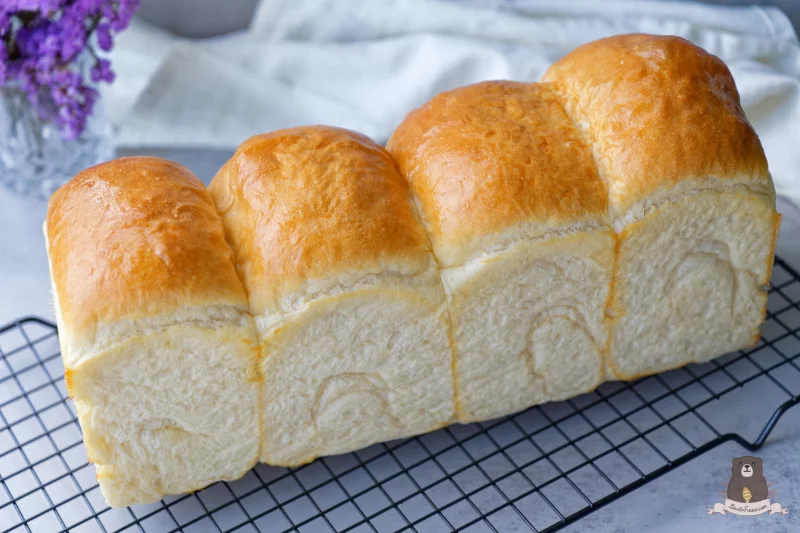
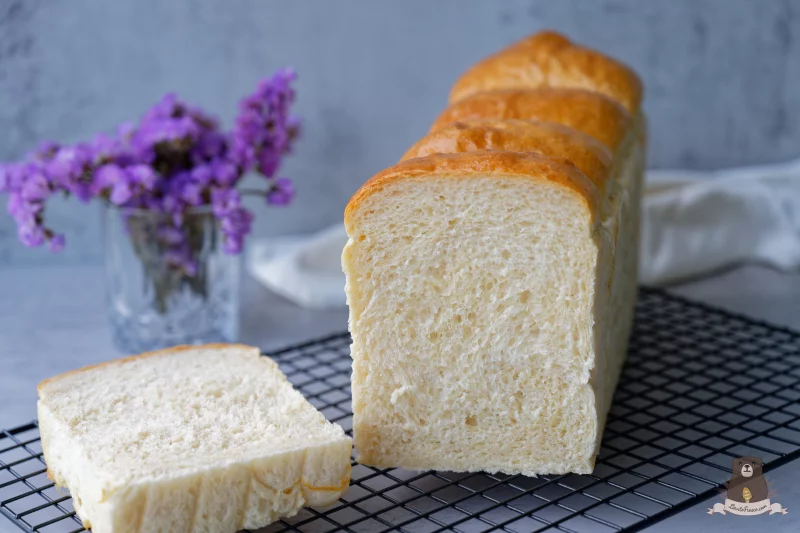
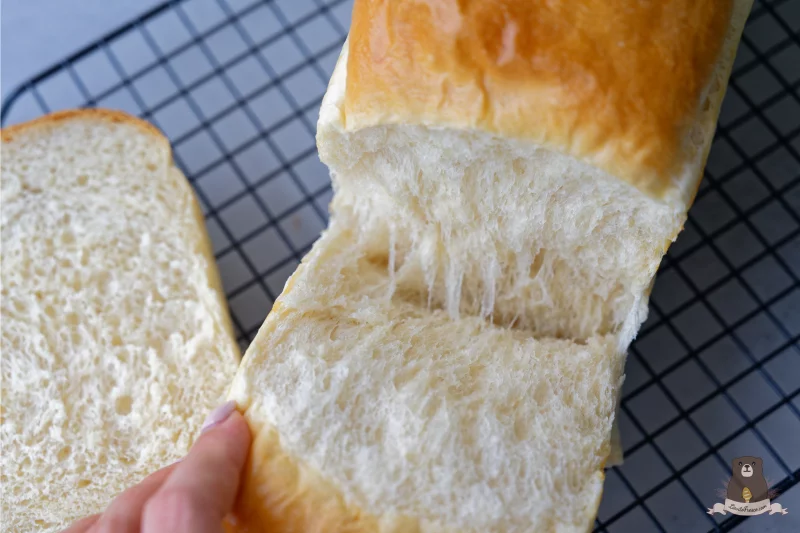
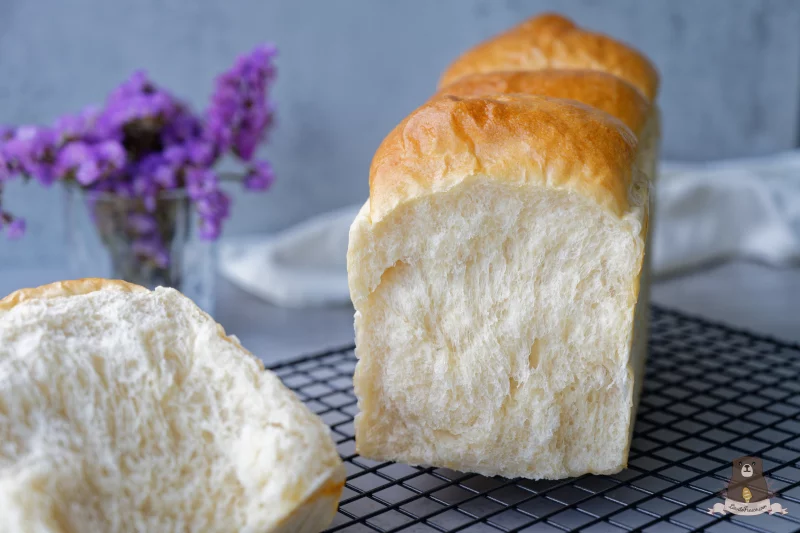
Like many modern shokupan recipes, this loaf uses the tangzhong method, a simple flour-and-water roux that creates an incredibly light, tender crumb while helping the bread stay fresh for longer. I developed this recipe specifically for my 196 × 106 × 110 mm Pullman tin, creating a taller loaf with plenty of slices to enjoy for nearly the same amount of effort. The result is a soft, cloud-like milk bread that's perfect for toast, sandwiches, or simply tearing into while still warm.
Why You'll Love This Japanese Milk Bread
- Incredibly soft and fluffy – The tangzhong method creates the signature pillowy texture that makes shokupan so special.
- Stays soft for days – Tangzhong helps the bread retain moisture, so your homemade sandwich bread doesn't dry out as quickly.
- Egg-free recipe – You can make this soft and fluffy Japanese milk bread without adding eggs to the dough.
- Perfect for sandwiches and toast – Use it for everyday sandwiches, Japanese-style tamago sando, French toast, or simply enjoy it warm with butter.
- Bakery-style results at home – With the right kneading and proofing, this recipe creates a tall, soft loaf with a light and tender crumb.
- Made with simple ingredients – You only need a handful of pantry staples to make this homemade Japanese milk bread.
What Is Tangzhong and Why Does It Make Japanese Milk Bread So Soft?
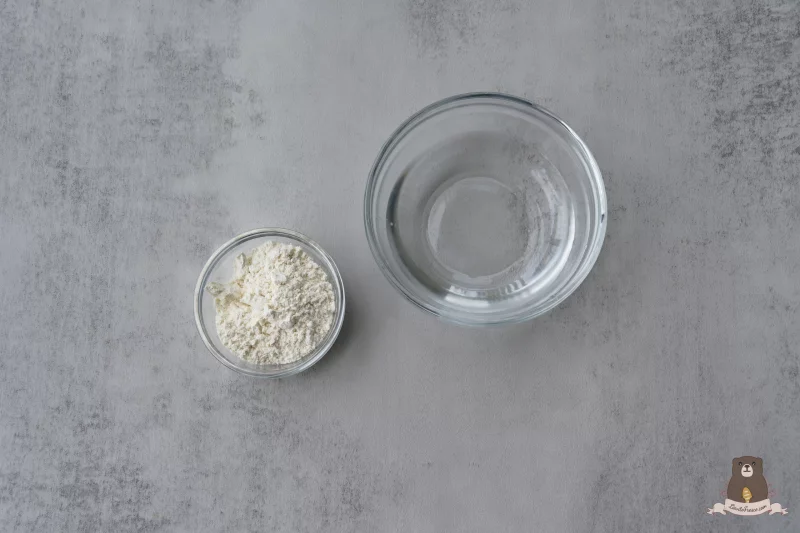
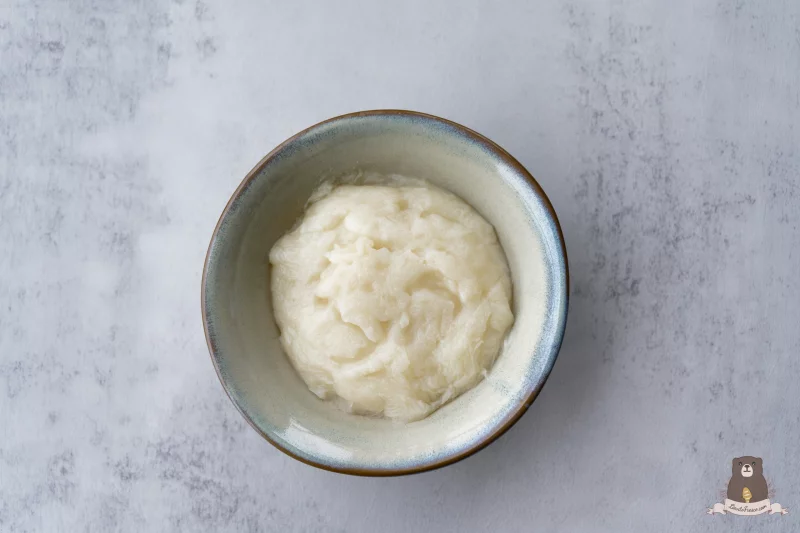
Tangzhong is a simple flour-and-water paste that’s gently cooked on the stove until thickened—almost like a roux, but without any fat. The technique is closely related to yudane, a traditional Japanese method where boiling water is poured over flour to gelatinize the starches.
What makes tangzhong special is how it changes the flour: cooking it causes the starches to swell and gelatinize, allowing the flour to absorb much more liquid than it normally would. That moisture gets locked in—even through kneading, proofing, and baking.
Once incorporated into the dough, tangzhong transforms the texture:
- Keeps the crumb ultra-soft and elastic
- Helps the bread stay fresh and moist for days
- Makes the dough easier to knead and shape
This extra hydration is especially helpful in enriched breads like shokupan, which contain sugar, butter, and milk powder—ingredients that can slow down yeast activity and weaken gluten. Tangzhong helps balance everything out, supporting structure and softness at the same time.
Why I Make Tangzhong a Day Ahead
I like to prepare the tangzhong the night before—it cools completely and has time to fully hydrate, which makes it easier to mix evenly into the dough.
Giving the paste time to rest allows the gelatinized starches to fully absorb water and stabilize, resulting in a smoother mixture that improves dough structure and elasticity. It also makes the kneading process more consistent and helps create a softer, more even crumb.
Plus, prepping it ahead simply makes for a calmer baking day.
Why These Ingredients Matter
Shokupan may use simple pantry staples, but each ingredient has a specific role in creating its signature light, fluffy, cloud-like texture.
Bread flour builds the strong gluten structure needed for a tall, airy loaf with that soft, stretchy bite. Tangzhong is what gives shokupan its unique moisture retention, helping the bread stay soft for days rather than drying out quickly. Milk powder adds gentle richness and tenderness, enhancing the overall softness of the crumb without weighing the dough down. Butter brings everything together with a delicate richness and helps create that soft, pull-apart texture.
Together, these ingredients work in balance to create the signature pillowy texture that makes shokupan so special.
Milk Wash vs Egg Wash
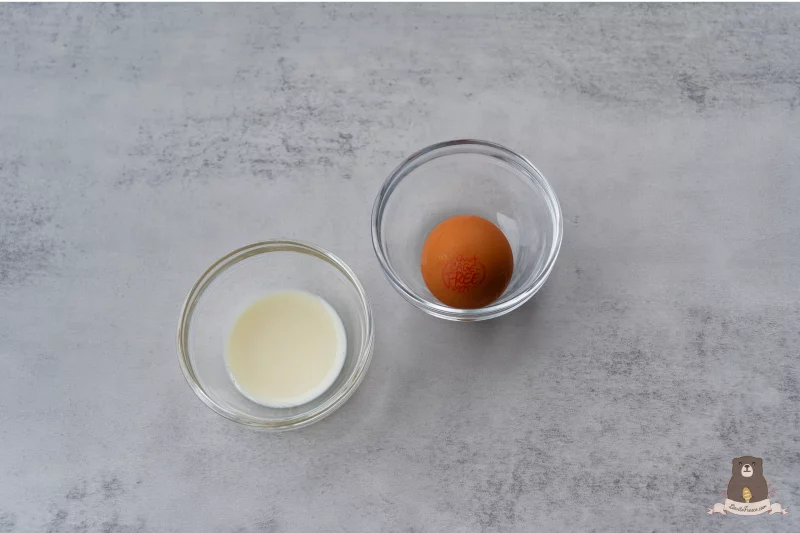
A simple wash before baking can completely change the look and finish of your shokupan crust. Brushing the dough lightly with milk creates a soft golden colour with a thinner, more tender crust and a gentle satin finish—perfect for a classic Japanese bakery-style loaf.
For a deeper golden-brown top with more shine and gloss, use an egg wash instead (1 egg whisked with 1 tsp milk). This gives the loaf a slightly richer and more polished bakery-style appearance.
Tips for Perfect Japanese Milk Bread
- Make Sure Your Tangzhong Is Cool: Allow the tangzhong to cool completely before adding it to the dough. Adding hot tangzhong can affect the yeast and make the dough difficult to mix properly.
- Knead Until the Dough Passes the Windowpane Test: Shokupan needs strong gluten development to create its signature soft, stretchy texture. The dough should be smooth and elastic and stretch into a thin, almost translucent sheet without tearing easily.
- Don't Rush the Proofing: Proofing time can vary depending on the temperature of your kitchen. Instead of relying only on the clock, look for visual signs that the dough has risen properly.
- Avoid Adding Too Much Extra Flour: The dough may feel soft and slightly sticky, but adding too much flour can make your Japanese milk bread dense and dry. Lightly oiling your hands can be more helpful when handling sticky dough.
- Let the Bread Cool Before Slicing: As tempting as warm homemade bread can be, allow your shokupan to cool completely before slicing. This helps the crumb set properly and gives you cleaner slices.
- Store It Properly: Once completely cool, store the bread in an airtight container or bread bag at room temperature to help keep it soft and fresh.
Frequently Asked Questions
- What is shokupan?
Shokupan is a popular Japanese-style milk bread known for its incredibly soft, fluffy, and slightly sweet texture. It is commonly used for sandwiches, toast, and Japanese-style sandwiches such as tamago sando. -
Why is Japanese milk bread so soft?
Japanese milk bread is especially soft because many recipes use a technique called tangzhong. Tangzhong helps the flour absorb and retain more moisture, creating a tender, fluffy crumb that stays soft for longer. -
What is the tangzhong method?
The tangzhong method involves cooking a small portion of flour and water into a thick paste before adding it to the bread dough. This gelatinizes the starches and helps the finished bread retain more moisture. -
Can I make Japanese milk bread without eggs?
Yes. This recipe is made without eggs in the dough but still produces a soft, fluffy, and tender loaf of Japanese milk bread. -
Can I use all-purpose flour instead of bread flour?
Bread flour is recommended because its higher protein content helps develop the strong gluten structure needed for a tall and fluffy loaf. All-purpose flour can work, but the bread may have a slightly less chewy and airy texture. -
How do I know when my shokupan dough is properly kneaded?
The dough should be smooth, elastic, and able to pass the windowpane test. When gently stretched, a small piece of dough should become thin and translucent without tearing immediately. -
Can I make tangzhong ahead of time?
Yes. Tangzhong can be prepared ahead of time and stored in the refrigerator for up to 2 days. Allow it to return closer to room temperature before adding it to your dough. -
Why didn't my Japanese milk bread rise properly?
Several factors can affect how bread rises, including inactive yeast, water that is too hot or too cold, insufficient kneading, or proofing the dough in a cold environment. Make sure your yeast is fresh and give the dough enough time to rise. -
How should I store homemade Japanese milk bread?
Allow the bread to cool completely, then store it in an airtight bread bag or container at room temperature. Keeping it properly sealed helps maintain its soft texture. -
Can I freeze Japanese milk bread?
Yes. Slice the completely cooled loaf and freeze it in an airtight bag or container. You can thaw individual slices at room temperature or toast them directly from frozen.
You Might Also Like
If you enjoyed making this soft and fluffy Shokupan (Japanese Milk Bread), you might also love these homemade bread and breakfast recipes from Lievito Fresco:
- Rustic No-Knead Artisan Bread – A simple homemade bread with a crisp crust and soft, airy interior.
- Fluffy Homemade Waffles – A delicious breakfast favourite with a light and fluffy texture.
- Bakery-Style Blueberry Muffins – Soft, tender muffins bursting with juicy blueberries, perfect for breakfast or an afternoon treat.
- Cinnamon Vanilla Granola – A crunchy homemade granola that's perfect for breakfast with milk or yogurt.
Ingredients
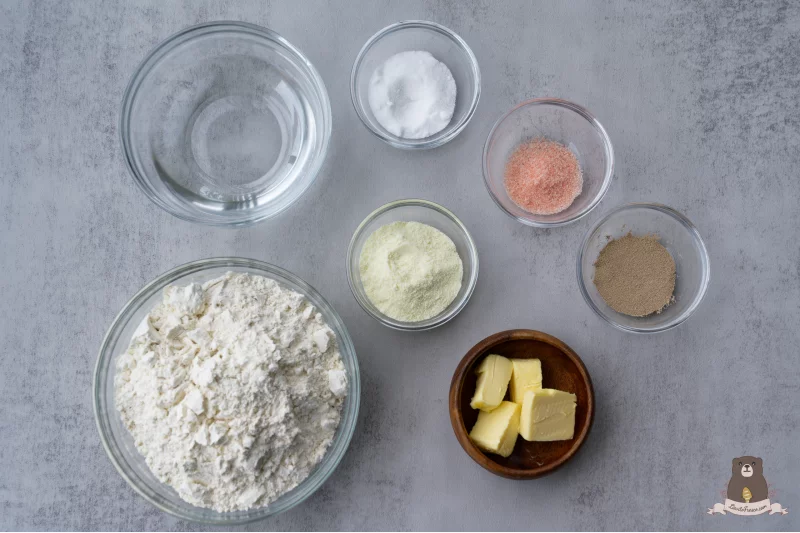
- 183 g Warm Water (About 38°C (100°F))
- 20 g Caster Sugar
- 10 g Salt
- 10 g Instant yeast
- 470 g Bread Flour (after subtracting tangzhong flour)
- 30 g Milk Powder
- 37 g Unsalted Butter (softened)
For the Tangzhong (Make Ahead)
- 36 g Bread Flour
- 180 g Water
Directions
- Make the Tangzhong (Make Ahead) In a small saucepan, whisk together the bread flour and water for the tangzhong. Set over medium heat and cook, stirring constantly, for about 3 minutes, or until it thickens into a smooth, pudding-like paste (it should resemble soft mashed potatoes). Transfer to a bowl, press plastic wrap directly onto the surface, and let cool completely. 🕒 Tip: Tangzhong can be made ahead and stored in the fridge for up to 2 days. Just bring it back to room temperature before using.
- Activate the Yeast In a large bowl, combine the warm water, sugar and instant yeast. Whisk well and let sit for 10 minutes until foamy on the surface.
- Prepare Dry Ingredients In the bowl of your stand mixer, whisk together the bread flour, milk powder and salt. Make a well in the center.
- Mix the Dough Whisk the cooled tangzhong into the yeast mixture. Pour the liquid mixture into the flour bowl and mix with the dough hook on Speed 2 for 3 minutes, until a shaggy dough forms.
- Knead and Add Butter Increase to Speed 4 and knead for 5 minutes, until the dough begins to smooth out. Add the softened butter (37 g), one piece at a time, while kneading on Speed 2. Once fully incorporated, increase to Speed 4 and knead for another 4 minutes. At this point, your KitchenAid mixer may be warm—pause for 2 minutes to let it rest. Finish with a final knead on Speed 6 for 5 minutes, or until the dough is smooth, elastic, and pulls cleanly from the sides of the bowl. ✅ Windowpane test: Stretch a piece of dough gently—if it becomes thin and translucent without tearing, it's ready. If it tears, knead for 2 more minutes and retest.
- Bulk Fermentation Shape the dough into a ball and place in a lightly oiled bowl. Cover and proof in a warm spot for about 60 minutes, or until tripled in size. 👆🏼 Finger test: Gently poke the dough—if the dent stays, it’s ready.
- Shaping & Final Proof Deflate the dough gently and divide it into 4 equal pieces (about 234g each). Shape into logs or smooth rounds and place seam-side down in a greased Pullman pan. Cover and let rise for 45–60 minutes, or until the dough reaches 80–90% of the pan's height.
- Bake Preheat the oven to 180°C (top and bottom heat). For a softer golden crust, lightly brush the top of the dough with milk before baking. For a shinier, deeper golden finish, lightly brush with egg wash instead. Bake uncovered for 35–40 minutes, or until the loaf is deeply golden and sounds hollow when tapped on the bottom. If the top browns too quickly, loosely tent with foil during the last 10 minutes of baking. Let the loaf cool in the pan for 10 minutes before transferring to a wire rack to cool completely.