Seoul-Inspired Prawn Kimbap (Gimbap)
Main Dish · Weekend Challenge · Dairy-Free · Nut-Free · Time: 1 hr 30 min · Servings: 4 · Difficulty: Medium
The first time my husband had kimbap was in Seoul, late November. We landed on a Sunday morning, dropped our bags at the hotel, and headed straight to Lotte Mart in Seoul Station for a quick site inspection before my long week of meetings began. I wanted to show him around and give him a taste of the city before work took over. If you’ve ever been to Seoul, you’ll know Lotte Mart has these little food stalls serving quick, satisfying meals—bibimbap, ramyun, and, of course, kimbap. Known in Korea as gimbap (김밥), the name simply means “seaweed rice,” but the beauty of it is in the variety of fillings and the little rituals that go into making it. I was determined to introduce it to my husband, who had never tried it before.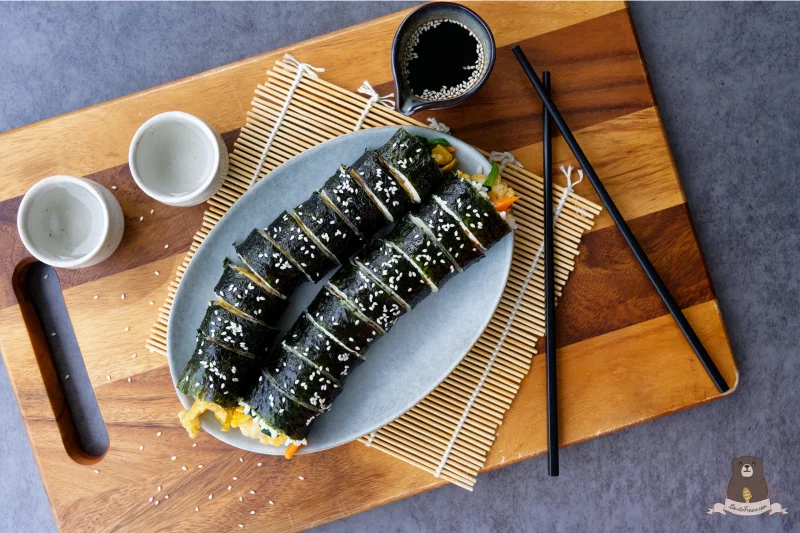
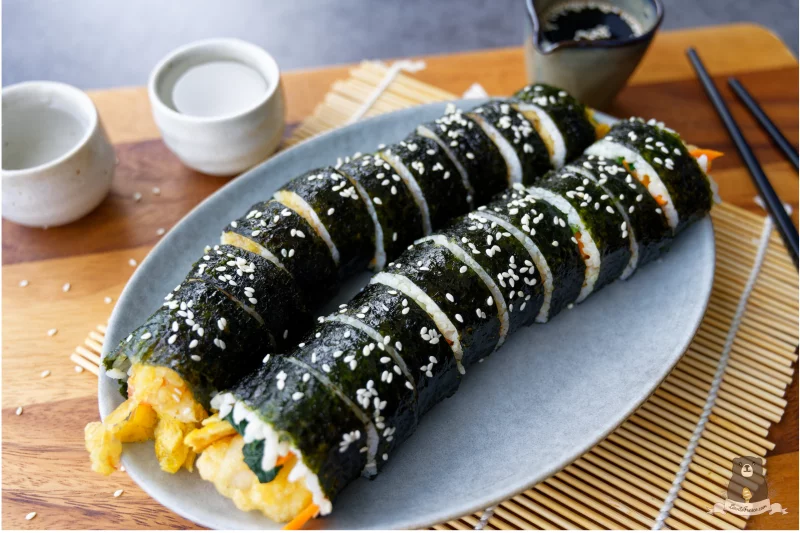
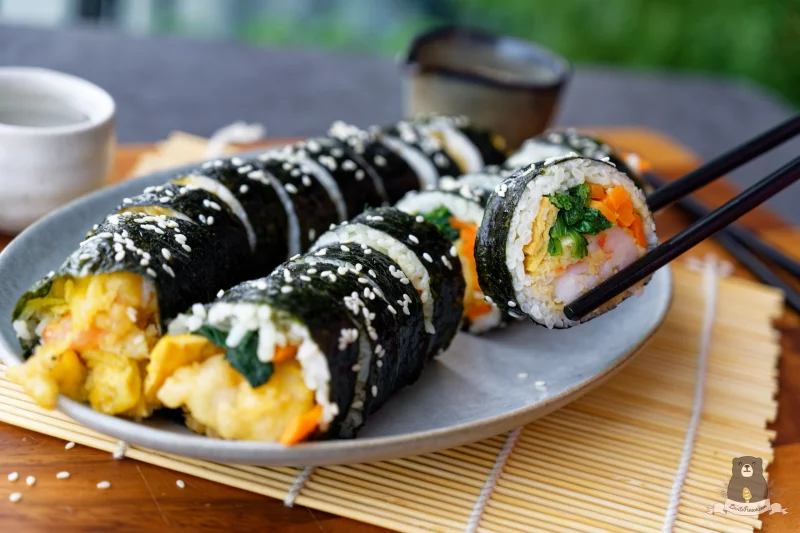
We found a tiny stall run by an ajumma, pointed to what we wanted, and stood at the high tables, soaking in the warmth of the moment. Our order came with two generous rolls filled with vegetables, egg, and pickled radish (danmuji), plus a side of seaweed soup for just 5,000 won. My husband isn’t a fan of pickled radish, so I leave it out when I make kimbap at home. If you love it and can find danmuji where you are, I highly recommend adding it in.
When the food arrived, he picked up a piece, took his first bite, and his face lit up instantly. “Wow! I love this,” he said, smiling at me. Right there in the middle of a busy supermarket in Seoul, sharing that simple meal, I was reminded of how special it is to experience new things together.
This recipe makes 4 rolls, which is just enough for a light lunch for two or a small sharing platter for three. It’s also a fun cooking project for couples or families. Fill, roll, and slice together, then sit down to enjoy the fruits of your teamwork. I hope you give it a try and find joy in the process, whether it’s your first time making kimbap or you're simply exploring a new cuisine.
Making Kimbap Without the Stress
Kimbap isn’t difficult to make, but it does require a little patience and a good game plan. The secret is simply to work in stages.
Start by soaking the rice for 30 minutes to achieve the perfect sticky texture. While the rice is soaking, prepare the rest of the ingredients. Peel and slice the vegetables, clean the prawns, and have everything ready to go. Just before frying the prawns, bring the rice to a boil. Once boiling, reduce the heat and let it simmer gently for 10 minutes.
Fry the prawns until golden and crispy, then transfer them to a sieve set over a bowl so any excess oil can drain away. When the rice is cooked, season it with sesame oil, rice vinegar, and a little salt. The seasoning is subtle but helps bring all the flavours together without overpowering the roll.
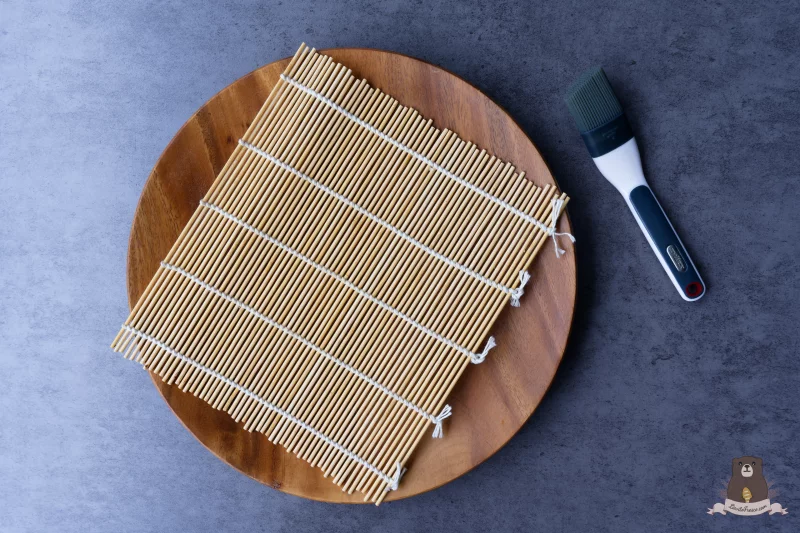
When it comes to rolling, a maki mat makes all the difference. If you don't already own one, I highly recommend picking one up. Mine came from Daiso for just a couple of dollars, and it makes the process far easier and much less frustrating. Once the kimbap is rolled, brush the tops lightly with sesame oil and finish with a sprinkle of white sesame seeds, just like the ajumma did at Lotte Mart.
Then comes the best part: slicing and eating. Enjoy it with a warm bowl of seaweed soup on a cold day, serve it as part of an Asian-inspired spread, or simply eat it as is, the way we did in Seoul.
This is not a strict traditional recipe, but rather a love letter to a beautiful memory. I hope that, in some small way, it brings you the same warmth and joy it brought us. 💛
How to Roll Kimbap
If you're making kimbap for the first time, don't worry. Rolling may look intimidating, but after the first roll, you'll quickly get the hang of it.
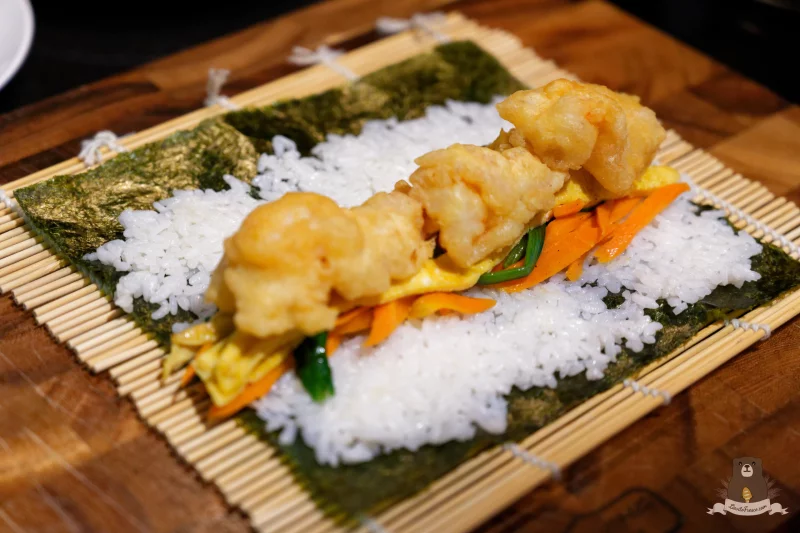
Start by placing a sheet of roasted seaweed, shiny side down, on a bamboo maki mat. Spread a thin, even layer of seasoned rice over about three-quarters of the seaweed, leaving a small border at the top. Avoid overfilling the roll, as this can make it difficult to seal.
Arrange the fillings in a neat line across the centre of the rice. For this version, I use crispy prawns, vegetables, and egg, but you can easily adapt the fillings to suit your taste.
Using the maki mat as a guide, lift the edge closest to you and gently roll it over the fillings, tucking everything in as you go. Continue rolling forward while applying light, even pressure until you have a compact roll. The exposed strip of seaweed will help seal the kimbap closed.
Once rolled, brush the outside lightly with sesame oil and finish with a sprinkle of white sesame seeds. This simple step adds flavour, gives the seaweed a beautiful sheen, and creates the signature finish you'll often see in Korean markets and snack shops.
Allow the roll to rest for a minute or two before slicing with a sharp knife. Wiping the blade between cuts helps create neat, clean slices.
Like many things in the kitchen, perfection isn't the goal. Even if your first roll isn't picture-perfect, it will still taste delicious.
What Is Kimbap (Gimbap)?
Kimbap, also spelled gimbap (김밥), is one of Korea's most beloved everyday foods. The name comes from kim (seaweed) and bap (rice), and at its simplest, it's made by rolling seasoned rice and a variety of fillings in roasted seaweed before slicing it into bite-sized pieces.
Although it's often compared to Japanese sushi, kimbap has its own distinct character. The rice is typically seasoned with sesame oil rather than vinegar, and the fillings are usually fully cooked. Common ingredients include vegetables, egg, meat, seafood, and pickled radish (danmuji).
One of the things I love most about kimbap is its versatility. Every family seems to have their own favourite combination of fillings, and you can easily adapt it based on what you have in the fridge.
Today, kimbap can be found everywhere in Korea, from market stalls and convenience stores to homemade lunchboxes and picnic baskets. It's simple, satisfying, and perfect for sharing.
Ingredients
For the Rice
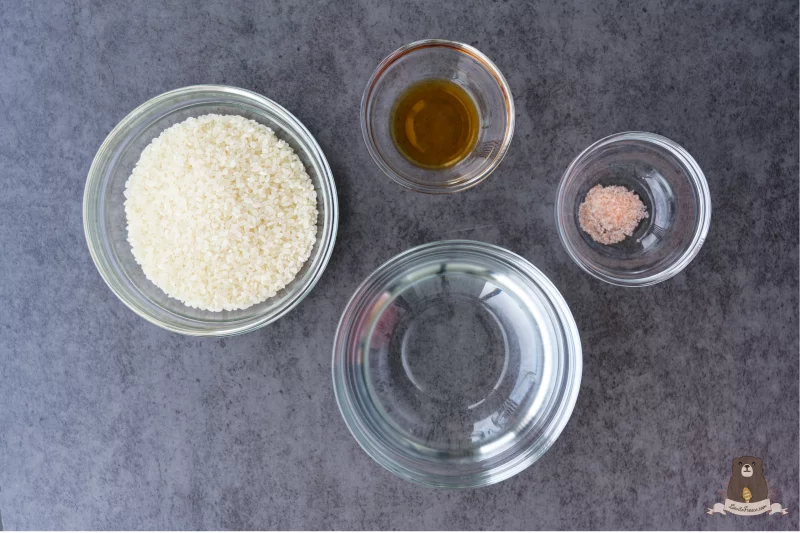
- 200 g korean short-grain rice
- 240 ml water
- 1 tbsp sesame oil
- ¼ tsp fine salt
For the Filling
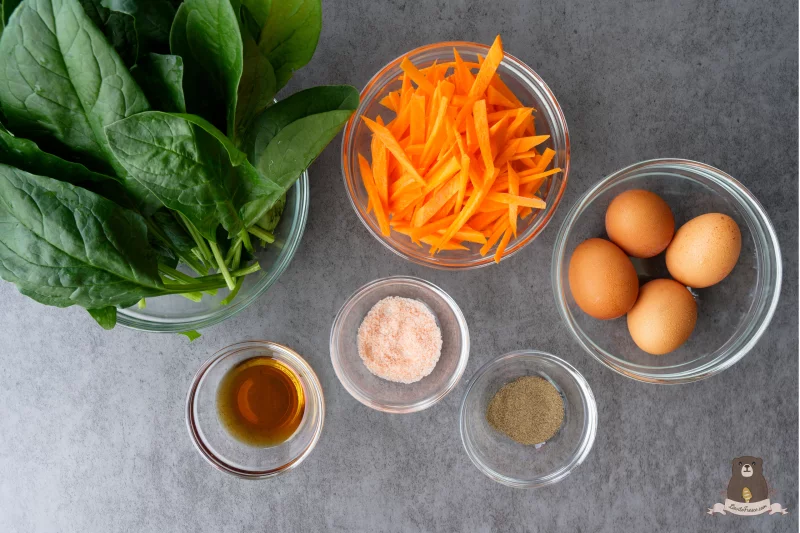
- 125 g spinach leaves
- 1 meduim carrot, julienned
- 3 whole eggs
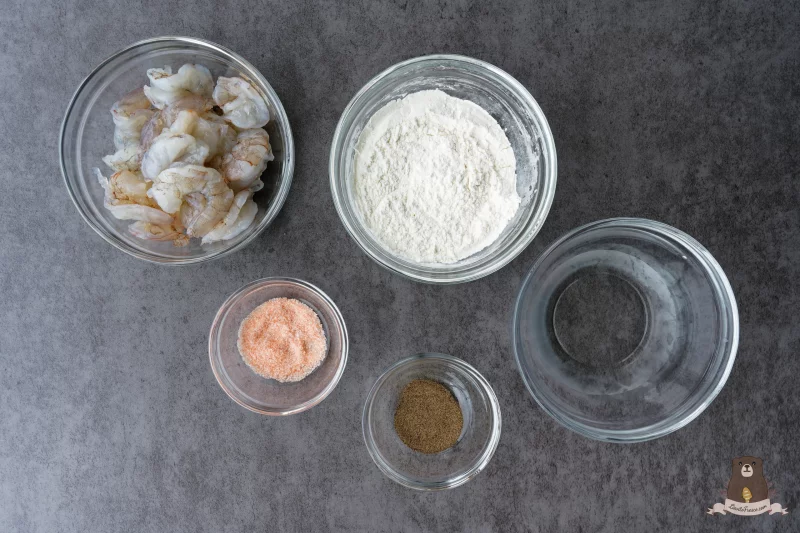
- 8 pcs tiger prawns, peeled and deveined
- tsp ground black pepper
- 65 g Korean frying batter mix
- 60 ml Cold water, for the batter
- 120 ml Neutral oil, for shallow-frying
- 1 tbsp Sesame oil, for the vegetables
- Salt and freshly ground black pepper, to taste
For Assembly
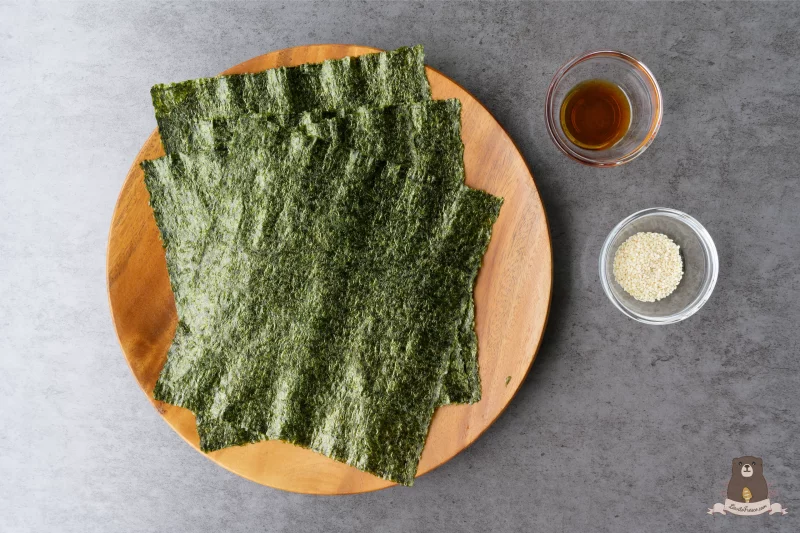
- 4 sheets roasted seaweed (nori or gim both works)
- 1 tsp sesame oil, for brushing
- 1 tsp white sesame seeds, for garnish
Directions
- Cook the Rice Rinse the rice 3–4 times until the water runs almost clear. Cover with fresh water and soak for 30 minutes — this step helps the grains absorb water evenly for a tender, consistent texture that’s ideal for kimbap. Drain well, then add 240ml water to the rice in a pot or rice cooker. Cook until done (about 10 minutes simmering after boiling, plus 10 minutes resting). Gently mix in sesame oil and salt while still warm. Spread out to cool slightly before rolling.
- Prepare the fillings Spinach: Sauté in a little sesame oil for 1 to 2 minutes until just wilted. Season lightly with salt.<br>Carrot: Sauté in a little sesame oil for 1 to 2 minutes until just tender. Season lightly with salt.<br>Egg strips: Beat the eggs with a pinch of salt. Pour into a lightly oiled pan, cover, and cook over low heat until set. Slice into long strips.<br>Prawns: Pat dry and season with ¼ teaspoon salt. Coat in Korean frying batter and fry in neutral oil until golden and crispy. Transfer to a wire rack to drain.
- Assemble the kimbap Place a sheet of roasted seaweed shiny-side down on a bamboo mat. Spread a thin layer of rice evenly over two-thirds of the sheet, leaving the top third bare. Arrange carrots, spinach, cucumber, egg strips, and 2 prawns in the center.
- Roll & finish Roll tightly using the bamboo mat, applying gentle pressure to shape. Brush the outside with sesame oil and sprinkle with sesame seeds.
- Slice & serve Using a sharp knife lightly coated in sesame oil, slice each roll into 6–8 pieces. Serve with a warm bowl of seaweed soup or enjoy as is.